


Key Takeaways
- Window tint helps with glare, cabin comfort, and UV exposure through glass, but it does not stop paint chips.
- Paint protection film provides a physical barrier on impact-prone painted areas.
- Ceramic coatings support gloss and easier cleaning, but they do not provide rock-chip protection.
- Detailing and paint preparation are essential before applying long-term protection.
- Local driving habits, parking conditions, and Colorado tint rules should shape the final decision.
Littleton drivers deal with bright high-altitude sun, fast-changing weather, highway debris, winter road treatment, and plenty of dust from daily Front Range travel. Choosing ceramic coating for cars in Littleton, CO, or another vehicle-care service starts with understanding what each option actually protects. The best plan is rarely the most expensive package. A vehicle parked outside near downtown Littleton has different needs than a garage-kept weekend car, a family SUV used for trips along C-470, or a commuter that spends most weekdays on Santa Fe Drive. Before selecting protection, consider the real conditions your vehicle sees each week. Sun exposure, road construction, gravel, tree sap, bugs, snow, slush, and wash habits all affect how quickly a finish, interior, or glass surface begins to show wear. For drivers searching for automotive ceramic coating near me, the useful question is not simply how long a treatment lasts. It is whether the treatment addresses the vehicle’s most likely source of damage and whether the owner can maintain it properly.
Start With Littleton Driving Risks
Littleton’s elevation makes sunny days feel intense, even when the air is cool. UV exposure can contribute to fading on dashboards, upholstery, trim, and paint over time. Meanwhile, highway travel toward Denver, the foothills, or mountain destinations can expose the front end to sand, loose aggregate, and other debris. Assess five factors before spending money: daily mileage, where the vehicle is parked, the roads it travels, its age and value, and how it is washed. An outdoor-parked daily driver with frequent highway miles faces a much different risk profile than a low-mileage vehicle that stays in a garage.
What Window Tint Can and Cannot Do
Window tint is primarily a glass and cabin upgrade. Depending on the film, it can reduce glare, manage heat, and help limit UV exposure through side windows and a sunroof. The Skin Cancer Foundation notes that qualifying UV window films can block more than 99 percent of UVA and UVB light, which can be especially relevant for long daytime drives. Darkness alone does not determine performance. Visible light transmission, heat rejection, and UV filtering are separate measures. Clear films can offer UV-focused benefits without a dark appearance, while factory privacy glass may appear darker and not provide the same solar-control performance as aftermarket film.
Window tint cannot shield the hood, bumper, mirrors, rocker panels, or door edges from stones and scratches. Drivers concerned about paint chips need a separate exterior strategy.
When Paint Protection Film Makes Sense
Paint protection film, often called PPF, is a physical film applied over painted surfaces. It is most valuable where impact and abrasion are most likely. For a Littleton vehicle that sees regular highway travel or weekend mountain trips, common coverage areas include the front bumper, leading edge of the hood, front fenders, side mirrors, rocker panels, door edges, and loading areas. Partial coverage may be enough for a low-mileage commuter. Full-front coverage can be a sensible priority for a new vehicle, a performance car, or a vehicle regularly driven through construction zones and on loose-surface roads. Film is not a cure-all for every dent or collision, but it can help reduce the visible damage from minor road hazards.
Where Ceramic Coatings Fit
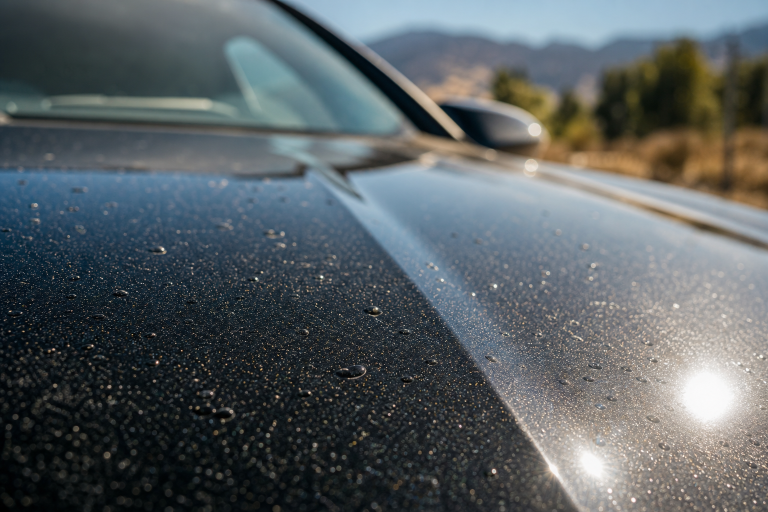
Ceramic coatings bond with exterior surfaces to create a durable protective layer that can enhance gloss and make washing easier. Water tends to bead and release more readily, which can help reduce the effort required to remove routine dust, light grime, and environmental buildup. The important limitation is simple: ceramic coating is not a clear armor layer against rock chips. It will not prevent every scratch, dent, or paint defect. It performs best on properly prepared paint and still requires regular washing with gentle products.
Why Detailing Comes First
Detailing is the foundation of effective protection. Applying film or coating over bonded debris, neglected paint, oxidation, or swirl marks can lock imperfections beneath the new treatment. A proper preparation process often includes washing, wheel and jamb cleaning, decontamination, bug and tar removal, paint inspection, and correction when needed. Paint correction should be based on the condition of the finish, not treated as an automatic add-on. Deep scratches may require repair beyond polishing, while light swirls can often be improved before applying a coating.
Comparing Your Options
- Window tint: Best for glare, heat, UV exposure, and cabin comfort. It does not protect painted panels.
- Paint protection film: Best for high-impact areas that face chips, scuffs, and road debris. Protection applies only where the film is installed.
- Ceramic coating: Best for gloss, water behavior, and easier routine washing. It does not replace physical impact protection.
- Detailing: Best for cleaning, restoring, and preparing surfaces. Most detailing alone is not permanent protection.
Tint Laws and Visibility
Colorado tint requirements can depend on window location, vehicle type, and light transmission. Review the current Colorado Revised Statutes before installation and confirm that the finished glass-and-film combination complies with applicable rules. Avoid selecting film only for its dark appearance, especially if nighttime visibility is already a concern. Keep required sight lines clear, and remember that windshield restrictions are generally more stringent than those for side and rear glass. A legal, well-chosen film should support comfort without compromising safe driving visibility.
Building a Practical Protection Plan
- Name the main concern: Heat, glare, paint chips, dullness, or cleaning time.
- Set a realistic budget: Separate necessary protection from purely cosmetic upgrades.
- Protect high-risk areas first: Prioritize windows, the front end, or heavily used interior surfaces.
- Ask about preparation: Confirm whether cleaning, decontamination, and paint correction are included.
- Review care instructions: Understand cure times, washing restrictions, and product recommendations.
- Keep documentation: Save invoices, warranty information, and maintenance records.
Maintenance After Installation
Every protection option needs care. Follow cure-time instructions, use clean microfiber towels, avoid abrasive brushes and harsh chemicals, and promptly remove bird droppings, bugs, sap, and winter road residue. During routine washes, inspect film edges and high-contact areas for damage or lifting. For most Littleton vehicle owners, the strongest approach is staged. Use window film for cabin comfort, film for paint areas that face repeated impacts, coatings for easier upkeep, and detailing to keep the vehicle clean enough for every treatment to perform as intended.
Conclusion
Littleton drivers can get better results by choosing protection based on the type of exposure their vehicles face rather than buying every available treatment. Window tint can improve cabin comfort, glare control, and UV protection, while paint protection film provides a physical barrier against road debris in vulnerable areas. Ceramic coatings can enhance gloss and make routine cleaning easier, but they cannot replace impact protection. Proper detailing and surface preparation should precede any long-term treatment, followed by gentle maintenance and the timely removal of winter grime, bugs, and other contaminants. By considering Colorado tint requirements, driving habits, parking conditions, vehicle value, and budget, owners can create a practical protection plan that keeps their vehicles cleaner, more comfortable, and better protected through Littleton’s changing Front Range conditions.


