

Key Takeaways
- Many household septic systems should be inspected every 1 to 3 years and pumped every 3 to 5 years, although the right schedule depends on the household and system.
- Slow drains, sewage odors, wet soil, and plumbing backups deserve prompt attention.
- Managing water use and protecting the drainfield can reduce unnecessary strain on a septic system.
- Only human waste and toilet paper belong in the toilet.
- Service records help homeowners make better maintenance decisions over time.
For Lakeland homeowners, septic care is easiest when it becomes part of ordinary property upkeep rather than something addressed only after a backup. Scheduling regular septic pumping at appropriate intervals, monitoring water use, and knowing where the drainfield is located can help keep small concerns from becoming major disruptions.
Florida weather adds another reason to stay attentive. Periods of heavy rainfall can leave soil wetter than usual, while guests, laundry days, and busy household routines can send a large amount of water through the system in a short time. A practical plan accounts for both conditions.
How a Septic System Works
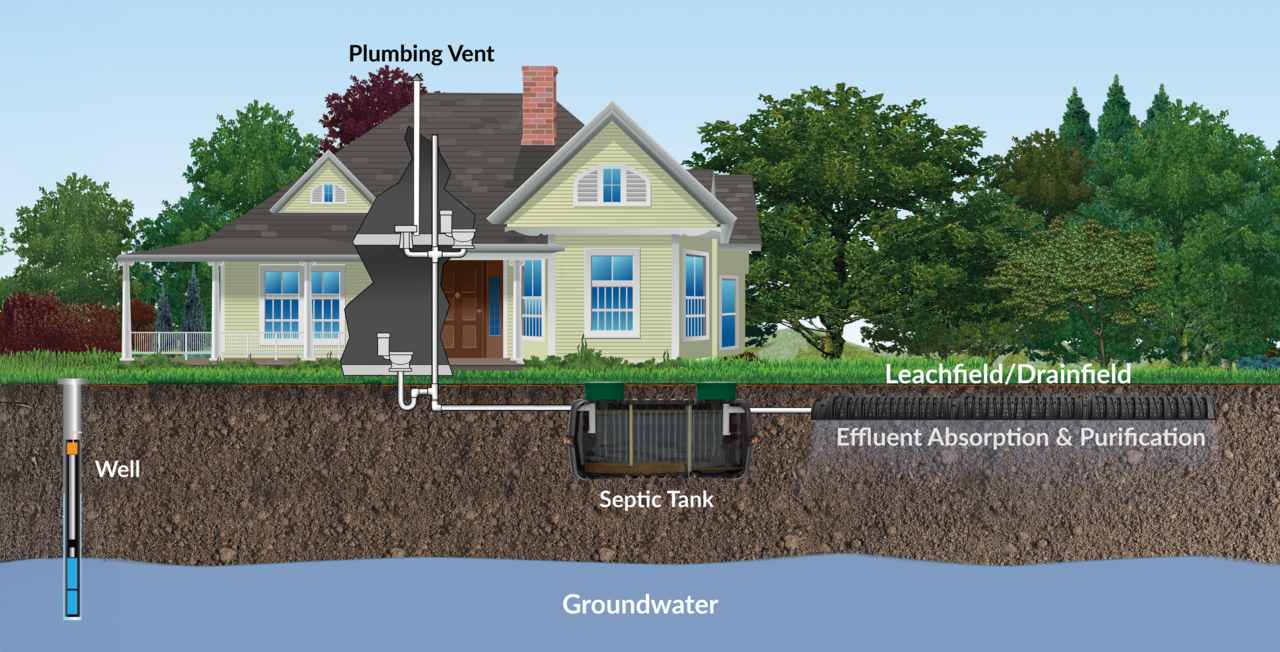
In a typical system, wastewater leaves the home and enters a septic tank. Heavier solids settle toward the bottom as sludge, while oils and lighter material rise to form a scum layer. The liquid between those layers flows onward to the drainfield, where soil provides additional treatment.
The tank is a settling chamber, not a trash can. Pumping removes accumulated sludge and scum, but it does not repair broken pipes, a damaged baffle, a failed pump, or saturated drainfield soil. For that reason, an inspection and a pumping appointment are related but not identical services.
How Often to Pump the Tank
Many conventional household tanks are pumped every three to five years, while inspections may be needed more often. The recommended timing can change with tank size, the number of people in the home, total water use, use of a garbage disposal, and the amount of solids entering the tank. Systems with pumps or mechanical components may need more frequent attention.
Keeping a written service history is more useful than relying on memory. Homeowners can record the last inspection, pumping date, repair notes, and any recommendations made during service. When it is time for septic pump outs, those records provide helpful context about the system’s maintenance history.
Why Septic Maintenance Matters
A septic system treats household wastewater on the property, so its condition affects both the home and the surrounding yard. When maintenance is delayed, solids can accumulate in the tank and create conditions that contribute to backups, unpleasant odors, or trouble in the drainfield.
Routine inspections are also an opportunity to identify concerns before they become visible indoors. The EPA notes that regular inspections and pumping, efficient water use, proper waste disposal, and drainfield care are central to responsible septic system care.
Warning Signs That Need Attention
One slow sink does not always indicate a septic problem, but multiple plumbing symptoms or new changes in the yard should not be ignored. Common warning signs include:
- Slow drains throughout the house.
- Gurgling toilets, tubs, or sinks.
- Wastewater is backing up into plumbing fixtures.
- Persistent odors near the tank or drainfield.
- Standing water, soggy ground, or unusually lush grass over the drainfield.
- Repeated clogs that return after ordinary drain clearing.
If wastewater is visible outside or backs up indoors, avoid contact with it and keep children and pets away from the affected area. Prompt evaluation is important because wastewater can contain disease-causing organisms.
How Water Use Affects the System
A septic system works best when wastewater enters at a manageable pace. Several loads of laundry, long showers, dishwasher cycles, and plumbing leaks can place a concentrated burden on the tank and drainfield, especially when the ground is already wet after rain.
- Spread laundry loads across the week when possible.
- Repair running toilets and dripping faucets promptly.
- Run dishwashers and washing machines with full loads.
- Avoid stacking several water-heavy activities at the same time.
- Direct roof runoff and surface water away from the drainfield.
What to Keep Out of Drains
Toilets and sinks should not be used for household trash. Materials that do not break down easily can clog plumbing, add unnecessary solids to the tank, or interfere with treatment. Keep these items out of the system:
- Wipes, including products labeled flushable.
- Paper towels, facial tissues, diapers, and feminine hygiene products.
- Cooking grease, fats, oils, coffee grounds, and cat litter.
- Paint, solvents, pesticides, medications, and harsh chemical products.
The EPA’s guidance on septic system maintenance intervals and household habits also advises homeowners to flush only human waste and toilet paper.
Simple Drainfield Care
The drainfield needs open, uncompacted soil to accept and treat wastewater. Do not park vehicles, place sheds, install pools, or operate heavy equipment over the tank or drainfield. These activities can compact soil or damage buried components.
Grass is generally a practical cover because it helps limit erosion without aggressive root growth. Before planting trees, adding landscaping, or beginning an outdoor project, identify the tank and drainfield location. Gutters, sump discharge, and irrigation should also be directed away from the area.
A Seasonal Maintenance Checklist
Spring and Summer
- Look for standing water, odors, or new green patches after rainy periods.
- Check outdoor plumbing and irrigation for leaks.
- Manage water use during gatherings, school breaks, and extended time at home.
Fall and Winter
- Review inspection and pumping dates before holiday visitors increase household water use.
- Confirm that gutters and landscape drainage move water away from the septic area.
- Store permits, inspection notes, and service records together for easy reference.
Common Homeowner Questions
Can a septic tank go years without visible problems?
Yes, but the absence of symptoms does not confirm that the tank has enough capacity or that the drainfield is functioning normally. Solids can build up gradually, and underground concerns may not be obvious until they worsen.
Does pumping fix every septic problem?
No. Pumping removes accumulated material from the tank. It does not automatically correct pipe damage, a clogged filter, malfunctioning equipment, poor drainage, or a failing drainfield.
Are additives a replacement for maintenance?
No. Homeowners should not treat additives as a substitute for inspection, pumping, water conservation, and responsible disposal habits. Follow local requirements and seek qualified guidance before introducing any product into the system.
A Practical Plan for the Year Ahead
Start by locating the tank and drainfield, recording the most recent service date, and watching for plumbing or yard changes. In Lakeland, a few consistent habits, especially avoiding water surges and protecting the drainfield from excess runoff, can make septic care more manageable throughout the year.