

Key Takeaways
- Identify your cargo type and its weight before choosing a trailer.
- Ensure your towing vehicle’s specs align with the trailer’s requirements.
- Trailer size, material, and axle configuration impact usability and safety.
- Pay attention to extra features like tie-down points and security enhancements.
- Consistent maintenance keeps trailers safe, roadworthy, and long-lasting.
Table of Contents
- Assess Your Hauling Needs
- Match the Trailer to Your Tow Vehicle
- Choose the Right Trailer Type
- Consider Trailer Size and Weight Capacity
- Evaluate Material and Construction
- Understand Axle Configurations
- Look for Additional Features
- Prioritize Maintenance and Safety
Choosing the right trailer goes beyond simple utility—it can impact the efficiency, safety, and cost of your hauling projects for years to come. Whether you’re transporting heavy machinery, construction materials, or vehicles, a trailer tailored to your needs minimizes risk and maximizes durability. For those in the Manchester, TN area, exploring trailer sales with a reputable dealer is a smart starting point to ensure you access a range of quality options.
The right trailer ensures that every job runs smoothly, protects your cargo, and complies with safety standards. As you begin your search, consider what you’re hauling, your tow vehicle’s capability, and how the trailer’s design and features affect long-term use.
It’s not just about the initial cost—factoring in materials, maintenance, and additional features can save thousands in repairs or replacements. To dive even deeper into the available trailers and configurations tailored to specific jobs, researching local options provides extra assurance you’re making the right investment.
Beyond matching your needs with the proper trailer, following safety, legal, and maintenance protocols is essential. Noncompliant trailers may pose safety risks and are not allowed to enter the United States. For more information, refer to the NHTSA’s consumer alert on trailer safety regulations.
Assess Your Hauling Needs
Start by pinpointing what you intend to haul regularly. For example, landscape equipment, motorcycles, livestock, or construction supplies each have different requirements. Trailers play a central role in this planning as they come in various sizes and styles, from flatbeds to enclosed models, designed to match specific hauling needs. Oversight here can lead to wasted money or even dangerous situations on the road. Consider cargo volume, length, width, and whether protection from the elements is needed. Custom needs, such as ramps for loading vehicles or high side rails for loose materials, must also be on your checklist.
Match the Trailer to Your Tow Vehicle
Your tow vehicle’s specifications are fundamental—overloading it risks severe mechanical failure and legal repercussions. Check the Gross Combined Weight Rating (GCWR), hitch class, and ensure your brakes and lighting meet Department of Transportation standards. If unsure, consult your owner’s manual or speak with an expert for guidance on what’s safe to tow.
Choose the Right Trailer Type
Every type of trailer serves a specific purpose. Here’s an overview:
- Utility Trailers: Versatile and perfect for yard equipment, small machinery, and furniture.
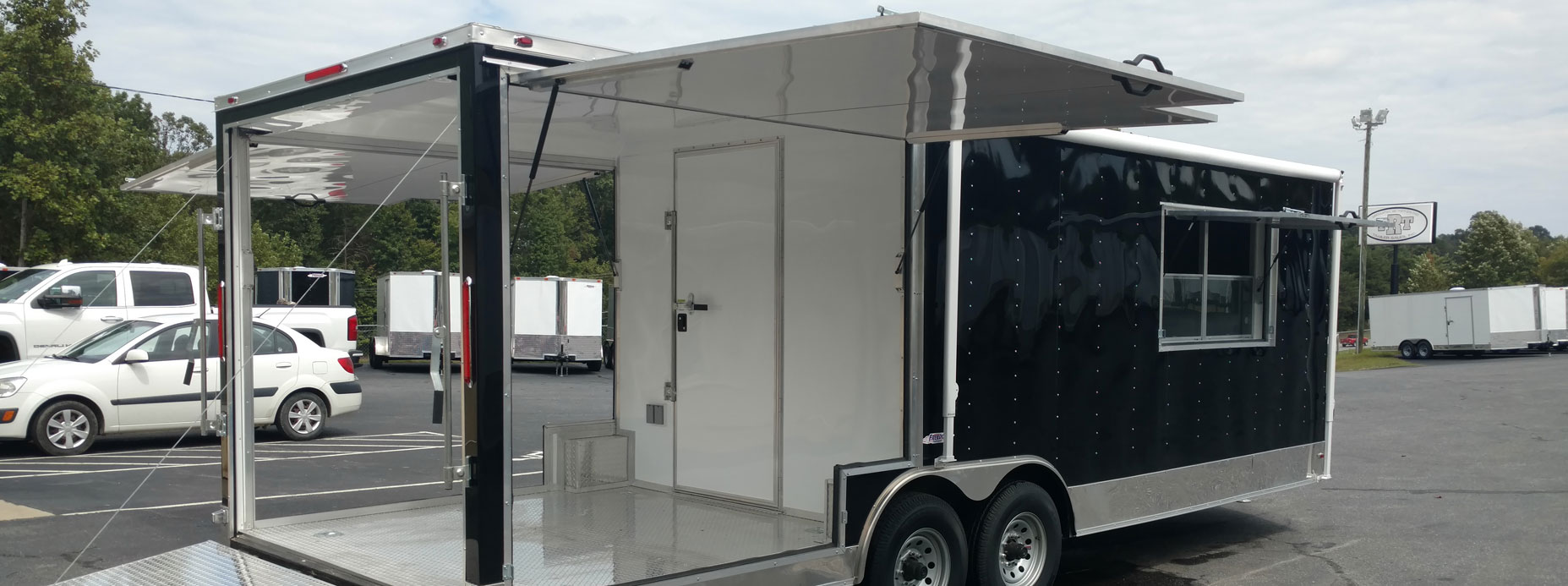
- Enclosed Trailers: Protect your cargo from weather and theft, ideal for tool storage or transporting valuable equipment.
- Dump Trailers: Designed for hauling dirt, gravel, or debris, and often feature hydraulic lifts for unloading.
- Car Haulers: Flatbeds built specifically to transport vehicles safely.
- Tilt Trailers: Simplify on-and-off loading for low-clearance equipment.
Matching the trailer type to your tasks enhances both productivity and transport safety.
Consider Trailer Size and Weight Capacity
Trailer dimensions should be matched carefully to what you haul and your vehicle’s capabilities. Under-sizing can lead to overloaded, dangerous conditions, while over-sizing may waste gas and degrade your vehicle’s performance. In every case, check the trailer’s GVWR and ensure the combined trailer and cargo weight falls within your vehicle’s towing specification.
Evaluate Material and Construction
Material selection affects everything from the trailer’s weight and rust-resistance to its lifetime costs. Steel trailers are relatively economical but require vigilant rust protection and periodic maintenance. Aluminum trailers, while more expensive upfront, are much lighter, rust-resistant, and preferred for frequent hauling, especially where weight savings or corrosion are concerns. If durability and minimum upkeep are priorities, aluminum is a superior long-term investment.
Understand Axle Configurations
The axle setup directly influences cargo weight distribution and towing stability:
- Single-Axle Trailers: Ideal for up to 3,500 lbs., best for light or local jobs.
- Tandem-Axle Trailers: Built for heavy loads, these offer added stability, smoother rides, and enhanced safety at higher speeds or on long trips.
Suspension Systems
- Leaf Spring Suspension: Reliable, cost-effective, and easy to repair—an industry staple for most utility trailers.
- Torsion Suspension: More advanced, offering a quieter, smoother ride and great for fragile or sensitive cargo.
Choose an axle configuration suited to your load patterns, driving environment, and anticipated mileage.
Look for Additional Features
Modern trailers often come with features that enhance safety, security, and user experience:
- Tie-Down Points: Essential for safely securing everything from furniture to machinery.
- Security Upgrades: Locking mechanisms, reinforced doors, and advanced lighting help protect against theft and tampering.
Optional add-ons like spare tire mounts, loading ramps, or upgraded hitch systems may be worth the extra investment for specific jobs.
Prioritize Maintenance and Safety
Even the sturdiest trailer requires routine inspection and care. Before every trip, check the integrity of:
- Safety chains and hooks
- Hitch mechanisms
- Tire inflation and tread wear
- All lights and wiring
Improper loading can cause swaying, flats, or jackknifing. Remember, place heavier cargo forward of the axle and use recommended loading protocols at all times. Regular servicing and adherence to manufacturer guidelines guarantee that both the driver and the cargo remain protected wherever the road leads.
By thoughtfully considering these factors and consulting reliable resources, you’ll ensure your next trailer investment delivers on safety, value, and peace of mind for all your hauling projects.


