
Table of Contents
- Slow Drains Throughout the House
- Unpleasant Odors Near the Septic Area
- Standing Water or Soggy Spots in the Yard
- Gurgling Sounds in Plumbing
- Sewage Backup in the Home
- Lush, Green Grass Over the Drainfield
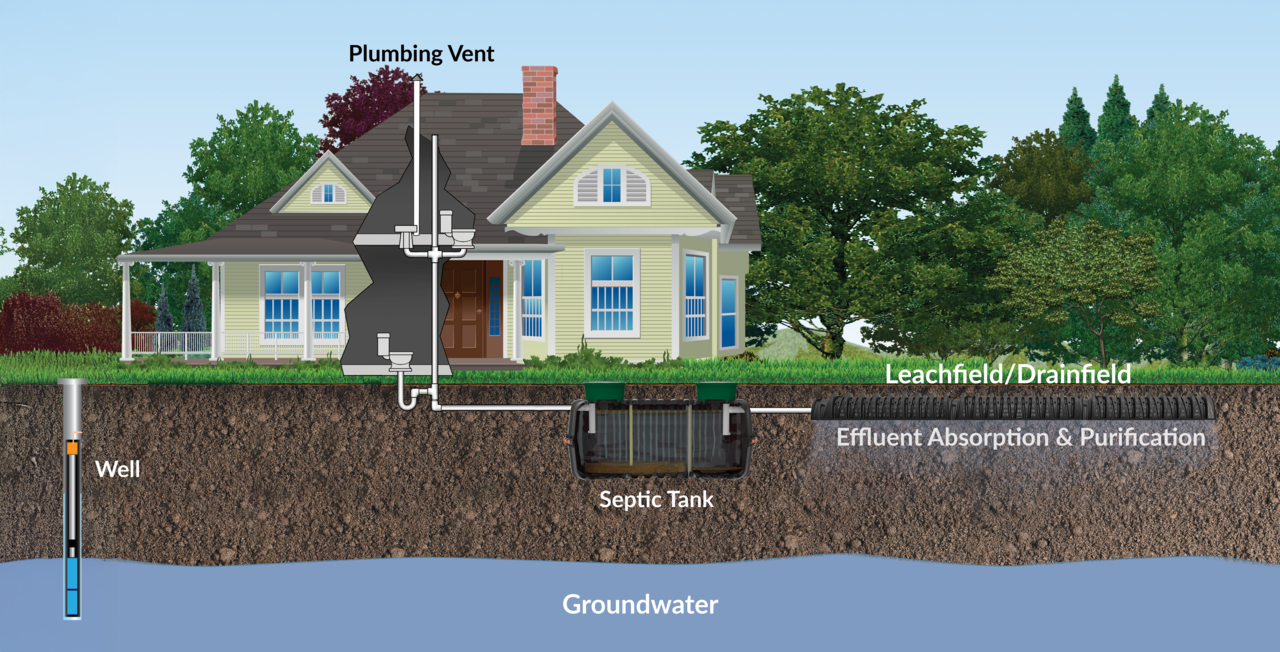
- High Nitrate Levels in Well Water
- Preventive Measures and Maintenance
Maintaining your home’s septic system is essential to protecting your property and the surrounding environment. Failing to address septic issues promptly can result in substantial repair costs and potential health hazards. Homeowners should be vigilant for signs of trouble, as early detection makes it much easier to maintain a fully functioning system. Whether you are living in an older house or a new build, understanding the common indicators of septic problems will help you prevent serious complications. For those in need of reliable septic services, the residential septic professionals in your local area can help diagnose and address these issues before they get worse.
Septic systems play a vital role in managing household wastewater. When they malfunction, the repercussions can be widespread, affecting not only your home but also the local environment. Knowing the warning signs of a failing septic system can save you time, money, and stress. In many cases, a minor issue caught early can be fixed with routine maintenance, whereas neglecting early symptoms can lead to complete system failure.
Home and business owners alike can benefit from understanding these signs and acting quickly. Ignoring septic system warning signs can lead to sewage backups, foul odors, and groundwater contamination. In commercial settings, this may disrupt operations and pose regulatory challenges. Proactive care is key to avoiding these costly problems and keeping everyone safe and comfortable.
For business owners seeking solutions tailored to their needs, specialized commercial septic services address more complex systems and higher usage demands.
Slow Drains Throughout the House
If you notice that sinks, showers, or bathtubs are consistently slow to drain, this often points to a septic tank issue. A full tank or a partial obstruction somewhere in the system can cause water to drain slowly from multiple fixtures. Even after clearing visible blockages, if the problem persists, the culprit is frequently the septic system itself. According to the Washington Post, slow drainage is a red flag that should move homeowners to investigate further before more severe problems develop.
Unpleasant Odors Near the Septic Area
The smell of sewage or a strong, unpleasant odor near your septic tank or drainfield is a clear sign of trouble. These odors often occur when the system cannot process waste efficiently, sometimes because the tank is overdue for pumping or there is a leak in the system. Persistent smells can indicate a malfunction that needs urgent attention, as advised by the U.S. Environmental Protection Agency.
Standing Water or Soggy Spots in the Yard
Pools of water or soggy, damp patches above or near your drainfield indicate that the septic system may be overloaded or that the drainfield is failing. Sometimes, it may also mean the tank is releasing more liquid than the soil can absorb. Standing water creates a health risk for people and pets and can lead to unpleasant odors or even visible sewage. Immediate action should be taken if standing water is observed, as it may signal an urgent safety issue.
Gurgling Sounds in Plumbing
When you notice odd gurgling sounds coming from toilets, sinks, or drains, the cause is usually trapped air resulting from a partial system blockage. Gurgling often precedes a full backup and should not be ignored. These sounds may signal that the tank is becoming too full or that waste is not flowing through the pipes as it should. Consistent noises like these mean your septic system needs to be checked right away.
Sewage Backup in the Home
Finding sewage backing up into any fixtures, such as toilets or sinks, is among the most serious signs of septic system failure. Sewage backups pose immediate health hazards from exposure to bacteria and viruses and can quickly cause costly property damage. If this occurs, avoid using any plumbing in the house and call a septic professional immediately.
Lush, Green Grass Over the Drainfield
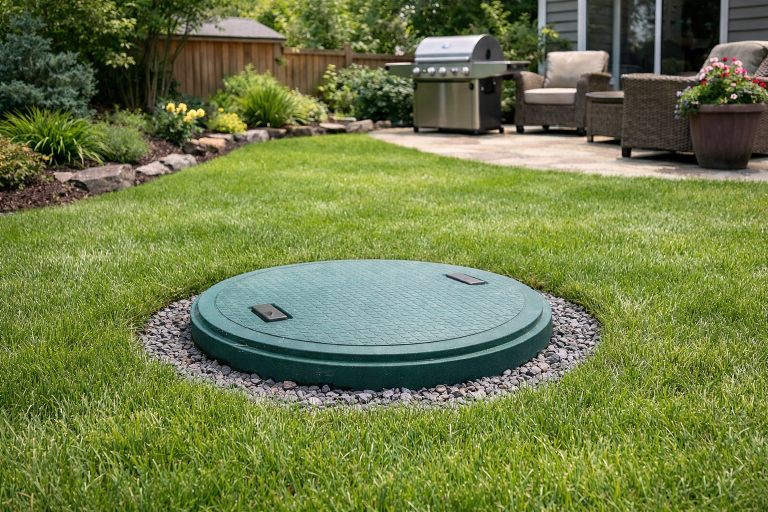
A noticeably greener or more vigorously growing patch of grass over your drainfield often signals that wastewater is surfacing and acting as fertilizer. While a healthy lawn is positive, uneven or unusually lush growth in this area suggests that the septic system is releasing more liquid than intended. Addressing the underlying issue early can help you avoid groundwater contamination or further damage to the system components.
High Nitrate Levels in Well Water
For homes relying on private wells, high nitrate levels detected during water testing are a strong indication of septic leakage. Elevated nitrates can result from untreated wastewater filtering into the surrounding soil and eventually reaching groundwater supplies. The Centers for Disease Control and Prevention recommends regular well water testing to protect your family from unseen contamination and to ensure your septic system is functioning as designed.
Preventive Measures and Maintenance
To extend the life of your septic system and avoid expensive repairs, schedule routine inspections every few years and have your tank pumped as recommended by local guidelines or your servicing company. Use water efficiently throughout your household, avoid flushing non-biodegradable items, and never pour fats, oils, or chemicals down your drains. Homeowners are advised to be proactive about system care and to review guidance from trusted sources, such as the New York Times, for additional tips on responsible septic management.
By understanding the warning signs and maintaining regular care, homeowners can ensure their septic system operates reliably, reducing risks to both property and the environment.