

Table of Contents
- How Weather Affects Pest Activity
- Seasonal Pest Patterns to Watch
- What Rain and Humidity Can Change
- How Heat and Drought Push Pests Indoors
- A Simple Home Pest Prevention Checklist
- What to Do When Pest Activity Increases
- Common Questions About Weather and Pests
- Final Takeaway
Weather does not cause every pest issue, but it can quickly change where pests feed, breed, and take shelter. A sudden stretch of rain, humidity, heat, or cold may make insects and rodents more visible around a property. Homeowners who understand these patterns can focus on likely entry points and moisture sources instead of reacting to every sighting the same way.
For routine prevention, it helps to combine seasonal maintenance with careful observation. When basic prevention is not enough, resources like alliancepestservices.com can help homeowners understand which pest concerns may require a more thorough inspection.
How Weather Affects Pest Activity
Pests are influenced by essential factors such as temperature, water, food, and shelter. Changes in these conditions can prompt them to relocate; for instance, heavy rain may disturb nests, while dry weather can limit water sources. Cooler temperatures can drive pests indoors, leading to increased activity post-weather shifts. The presence of a single insect does not indicate an infestation, as it might have entered through openings. However, frequent sightings, along with signs like droppings or damage, may suggest a more serious issue.
Seasonal Pest Patterns to Watch
Winter
When outdoor temperatures drop, rodents may seek protected areas such as garages, attics, crawl spaces, and wall voids. Some insects also spend the winter in sheltered locations and may appear on an unexpectedly warm day. Door sweeps, vents, window frames, and openings around pipes are worth checking before winter weather arrives.
Spring
Warmer temperatures and increased moisture can support more insect movement. Rain may leave water in containers, clogged gutters, low spots in the yard, and plant saucers. Spring is also a good time to inspect foundations, outdoor faucets, screens, and landscaping for conditions that make it easier for pests to approach the home.
Summer
Summer heat can increase activity among many pests, especially where food and moisture are abundant. Outdoor meals, uncovered trash, pet food, fallen fruit, and compost can attract unwanted visitors. Humid areas around basements, crawl spaces, shaded mulch, and air-conditioning equipment may also provide favorable conditions for certain insects.
Fall
Warm fall days can keep some pests active while cooler nights encourage them to seek shelter. Leaves, stacked firewood, cardboard, and garden debris can create hiding places close to exterior walls. Clearing those materials away from the structure helps reduce protected travel routes and harborage near potential entry points.
What Rain and Humidity Can Change
Rain can bring very different results depending on the pest and the amount of rainfall. Stormwater can flood underground nests, saturate soil, and push insects into drier protected spaces. It can also collect in buckets, toys, tarps, flowerpots, and other containers where mosquitoes may reproduce. Checking the yard after rain is one of the simplest ways to spot avoidable moisture problems.
Humidity matters indoors as well. Damp basements, poorly ventilated crawl spaces, plumbing leaks, and wet building materials can make a home more attractive to moisture-seeking pests. A practical approach is to apply integrated pest management, which emphasizes prevention, monitoring, identification, and targeted control rather than relying solely on broad pesticide use.
How Heat and Drought Push Pests Indoors
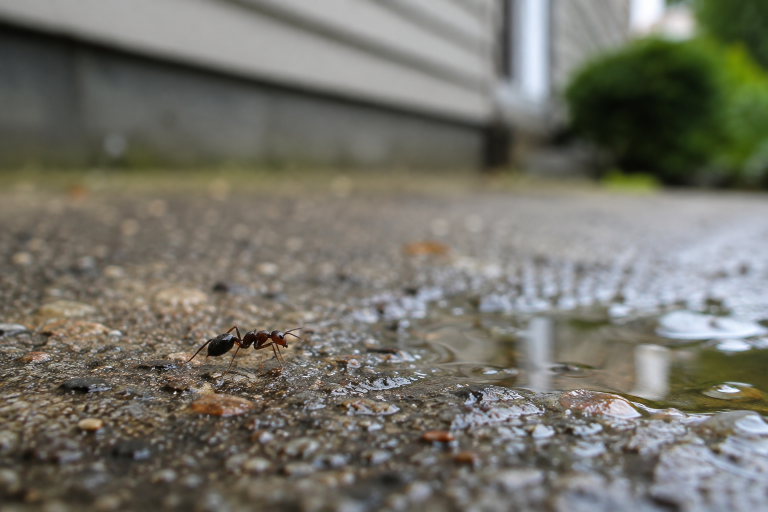
Dry weather significantly influences pest behavior, prompting ants and rodents to invade homes in search of moisture and shelter. Scarce outdoor water sources lead pests to investigate indoor areas such as kitchens and bathrooms. For instance, after prolonged dry periods, ants may intrude due to conditions like dripping pipes or condensation. Addressing these moisture sources and sealing entry points is often more effective than solely treating visible pest trails. This approach applies broadly to pest management: mitigating conditions that encourage pests can be more beneficial than reactive measures alone.
A Simple Home Pest Prevention Checklist
- Inspect door sweeps, window screens, vents, and gaps around utility lines.
- Repair leaking faucets, damaged pipes, and clogged gutters.
- Empty standing water from containers, toys, plant saucers, and low areas in the yard.
- Store food, pet food, and birdseed in sealed containers.
- Keep indoor and outdoor trash containers closed and reasonably clean.
- Trim branches, vines, and dense plants away from walls, windows, and rooflines.
- Move firewood, cardboard, and yard debris away from the home.
- Use a photograph or sticky trap to help identify an unfamiliar insect.
- Write down where the activity occurs and whether it follows rain, heat, or a temperature change.
What to Do When Pest Activity Increases
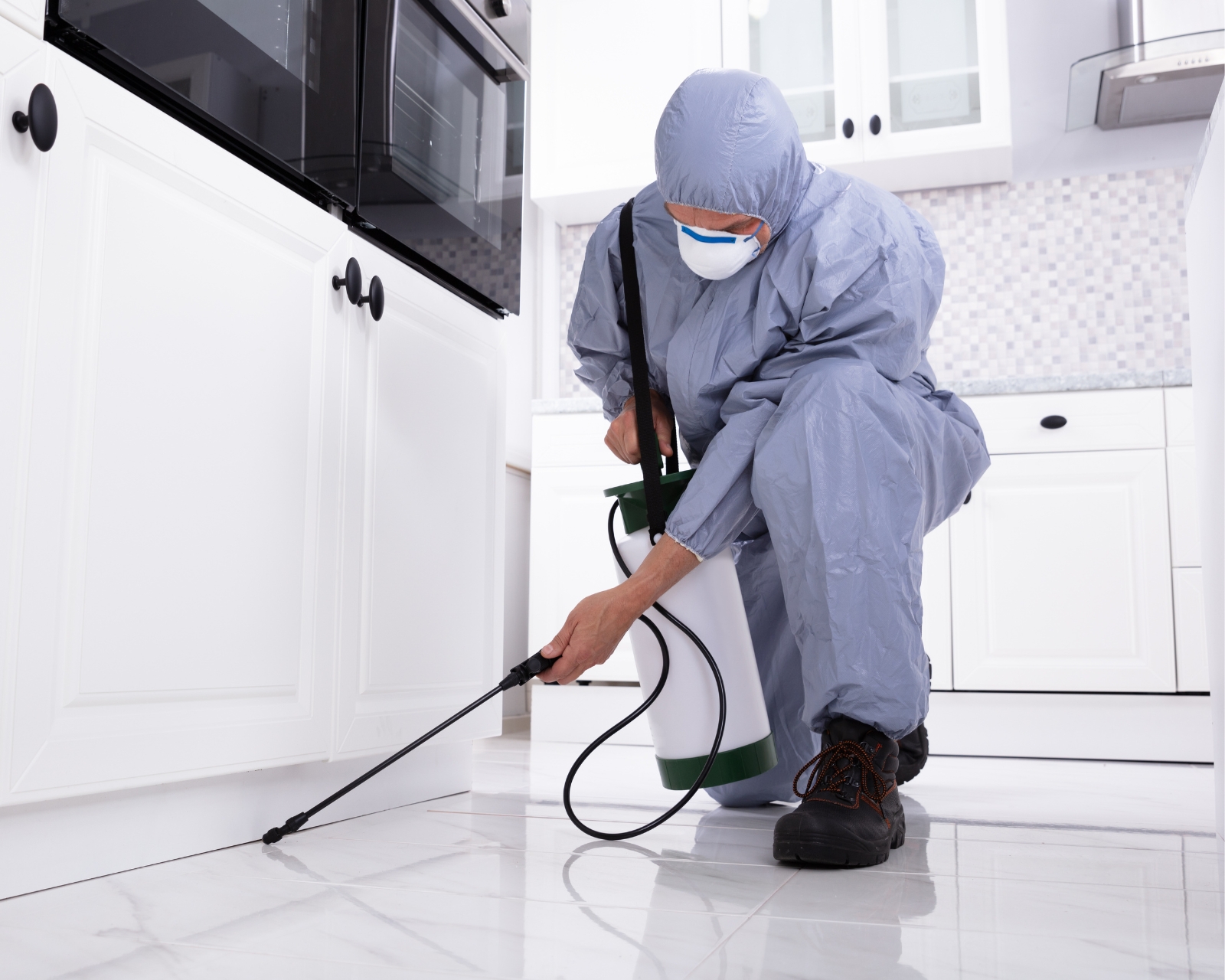
Start by identifying the pest and looking for the likely source. Spraying an area without understanding why pests are present can miss the entry point, food source, or moisture issue that allowed the activity to continue. Avoid mixing household chemicals or using products in ways that conflict with their labels, and keep children and pets away from treated areas.
Professional guidance may be appropriate when pests are entering wall voids, nesting near electrical equipment, repeatedly appearing after prevention efforts, or causing possible structural damage. Prompt attention is especially important when rodents, termites, stinging insects, or hidden nests are suspected.
Common Questions About Weather and Pests
Do pests always increase after rain?
No. Rain can increase activity for some pests while sending others into shelter. The result depends on the species, temperature, drainage, nearby habitat, and the amount of rain that falls.
Why do pests enter homes during cold weather?
Homes offer more stable temperatures and protection from wind, freezing conditions, and precipitation. Small exterior gaps can serve as convenient entry points when outdoor shelter is limited.
Can changing seasonal conditions affect pest activity?
Yes. The timing, duration, and variability of seasonal events are changing across the United States. Local weather still varies widely, but longer warm periods or unusual precipitation patterns can influence the outdoor conditions pests use for food, water, and shelter.
Does seeing one pest mean there is an infestation?
Not always. One sighting can be incidental. Persistent sightings, pest damage, nesting material, droppings, odors, or activity across several rooms are stronger reasons to investigate.
Final Takeaway
Pest activity often follows changes in temperature, rainfall, humidity, and available shelter. Seasonal inspections, moisture control, landscape maintenance, and prompt repairs can reduce many common risks. When signs suggest hidden activity or a problem that continues despite prevention, addressing it early is usually easier than waiting for it to spread.



:max_bytes(150000):strip_icc()/GettyImages-1144543928-fe222293589e40258c2e89243fe08787.jpg "Homebuyer Mistakes to Avoid")
