


Key Takeaways
- Choose a neighborhood based on your daily routine, budget, and long-term needs.
- Compare commute times, traffic, and access to essential services.
- Include taxes, insurance, utilities, maintenance, and transportation in your budget.
- Verify school assignments and nearby amenities for each property.
- Research zoning, future development, flood risks, and drainage concerns.
- Compare older homes, new construction, condos, and larger properties based on maintenance needs.
- Visit finalist neighborhoods at different times and on different days.
- Use a neighborhood scorecard to compare options and find the best fit.
Buying a home in Nashville, Brentwood, Franklin, or another nearby Tennessee community means considering more than a floor plan and asking price. Your neighborhood will influence your commute, daily errands, outdoor activities, maintenance responsibilities, and how comfortably your home fits your lifestyle.
Before narrowing a search across Williamson and Davidson counties, buyers can benefit from guidance from Brentwood real estate experts The Milam Group. The Milam Group is a Greater Nashville real estate team serving buyers and sellers in Brentwood, Franklin, Cool Springs, Green Hills, Nolensville, and College Grove. With neighborhood-focused home search resources and experience across established and newer communities, The Milam Group helps buyers evaluate location, local amenities, and property features together.
Why Neighborhood Choice Matters
Two homes with similar asking prices can create very different ownership experiences. One may provide a shorter trip to work, restaurants, medical care, and parks, while another may offer a larger lot, a quieter setting, or newer construction. Neither choice is automatically better. The right fit depends on how you actually spend your time.
Online listings are useful for identifying possibilities, but they cannot fully show traffic patterns, street activity, parking, road noise, or how long everyday errands take. Compare each area through the lens of your regular routine rather than its popularity alone.
Start With a Clear Buyer Profile
Before touring homes, write a short profile that separates essential needs from preferences. This keeps the search grounded when an attractive kitchen, a large bonus room, or a polished model home creates pressure to compromise on location.
- Set a target purchase price and a monthly payment that feels manageable.
- List nonnegotiable space needs, including bedrooms, bathrooms, parking, storage, yard space, and a home office.
- Decide the maximum commute time you can accept on a typical weekday.
- Consider child care, schools, accessibility, medical needs, pets, or multigenerational living.
- Think ahead five to ten years. Will the home still suit your likely household, work arrangement, and lifestyle?
Compare Communities by Lifestyle
The Nashville area offers a broad mix of housing settings. Close-in Nashville neighborhoods may appeal to buyers who prioritize access to restaurants, entertainment, parks, and central employment areas. Established suburban communities can offer mature landscaping, familiar retail corridors, and a more residential pace.
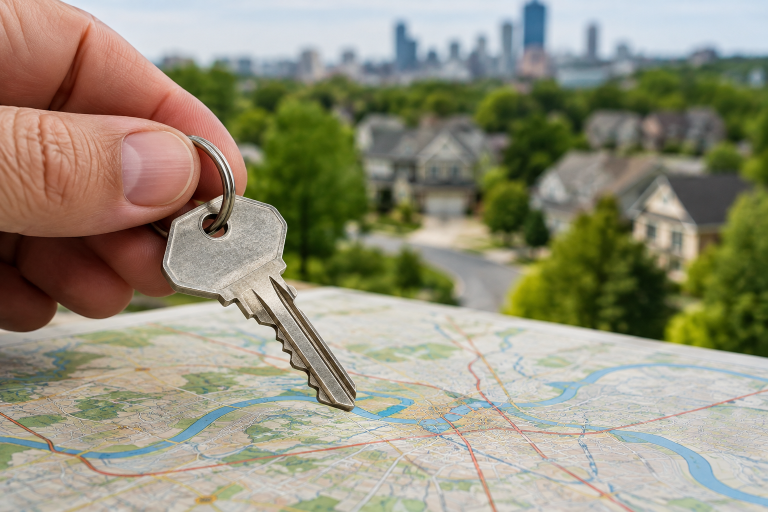
Newer-growth areas may offer recent construction, planned amenities, and expanding services. Rural-edge communities can provide larger parcels and more privacy, but buyers should carefully consider drive times, internet availability, road conditions, and whether a property relies on a well or septic system. A lifestyle match matters more than a city-versus-suburb label.
Calculate the Full Cost of Living
The list price is only one part of affordability. Use the same worksheet for every finalist so comparisons remain fair. Include mortgage principal and interest, property taxes, homeowners insurance, possible flood insurance, association or condominium fees, utilities, maintenance, and expected repairs.
Also include transportation costs. A home farther from work may cost less to purchase but may require more fuel, increased vehicle wear, higher parking costs, and more time on the road. A higher-priced home closer to your regular destinations may be the more practical choice for your household.
Test the Commute at Real Times
Map applications offer a helpful estimate, but firsthand testing is more revealing. Visit each finalist during the times you would normally travel, especially if your schedule includes school drop-offs, office commutes, or frequent trips to appointments.
- Drive the morning route on a normal weekday.
- Test the return trip during evening traffic.
- Check routes to groceries, schools, medical care, parks, and the airport.
- Notice construction, difficult turns, event traffic, train crossings, and parking limitations.
- Ask whether the route would still work if your job, school, or family needs changed.
Review Schools, Services, and Daily Conveniences
Verify school assignment information for the exact address rather than relying solely on a listing. Boundaries, enrollment rules, and program availability can change. Buyers should also consider the practical distance to child care, pharmacies, grocery stores, clinics, libraries, recreation facilities, sidewalks, trails, and public transportation where available.
A neighborhood does not need every convenience within a few minutes to be a good fit. The important question is whether the errands and services your household uses most often feel reasonable and sustainable.
Research Zoning and Future Development
Vacant land, nearby road work, rezoning requests, and proposed construction can affect traffic, privacy, noise, and the surrounding streetscape. Before making an offer, review public information through the Nashville Planning Department, which provides planning, zoning, mapping, and development resources for Davidson County.
- Is undeveloped land located beside, behind, or across from the property?
- Are housing, commercial, roadway, or infrastructure projects proposed nearby?
- Could current zoning permit a different future use near the home?
- Could ongoing construction change the commute or daily noise level?
Check Flood Risk and Property Conditions
Neighborhood research should include the property itself. Look at drainage paths, grading, proximity to creeks, retaining walls, crawl spaces, and any signs of past water intrusion. Ask qualified professionals about any unclear conditions during a showing.
For mapped flood information, search the property address through the FEMA Flood Map Service Center. Flood maps are a useful starting point, but buyers should also discuss insurance options and property-specific concerns with qualified insurers, inspectors, and local professionals.
Compare Home Styles and Neighborhood Age
Older homes may offer mature landscaping, established streets, and distinctive architecture, while also requiring close review of roofing, plumbing, electrical systems, foundations, and prior renovations. New construction may offer modern layouts and updated systems, but buyers should account for nearby construction activity, association rules, and lot configuration.
Townhomes and condominiums can reduce individual exterior maintenance, although they may include association fees, rules, and shared repair responsibilities. Large-lot homes can offer privacy and outdoor space, but they may require more upkeep and longer drives for errands.
Use a Neighborhood Scorecard
Rate each finalist from one to five, then add a note explaining every score. A written scorecard prevents a single memorable showing from outweighing the factors that matter most.
- Budget: Does the full monthly cost fit comfortably?
- Commute: Is travel manageable during busy periods?
- Daily convenience: Are essential destinations reasonably accessible?
- Home fit: Does the property meet current and expected needs?
- Property risk: Are drainage, insurance, maintenance, and zoning concerns acceptable?
- Long-term fit: Can you picture the area working several years from now?
Visit Each Finalist More Than Once
Try to visit at least three times: on a weekday morning, on a weekday evening, and on a weekend afternoon. When appropriate and safe, an after-dark visit can also reveal lighting, parking, traffic, and activity that a daytime showing may not show. Listen for commercial activity, aircraft, trains, construction, and neighborhood noise. Test cell service and make a quick stop at a nearby store or park.
Common Questions Buyers Ask
How Many Neighborhoods Should a Buyer Compare?
Three to five areas is often enough to create meaningful choices without making the search unfocused. Start broad, then spend more time in the locations that best match your scorecard.
Is a Popular Neighborhood Always the Best Choice?
No. Popularity can coincide with strong amenities and demand, but it can also mean higher prices, limited inventory, smaller lots, or heavier traffic. Personal routines and budget should lead the decision.
What Should Buyers Verify Before Making an Offer?
Confirm property taxes, insurance estimates, school information, association rules and fees, flood and drainage concerns, nearby development plans, inspection findings, and likely repair needs.
Make the Choice Based on Daily Life
Choosing the right Nashville-area neighborhood means finding a balance between affordability, convenience, property condition, and the lifestyle you want. Compare commute patterns, essential services, school assignments, future development, insurance costs, and maintenance needs before deciding where to focus your search. Visiting finalist communities at different times and using a consistent scorecard can help reveal practical differences that online listings may overlook. With clear priorities and guidance from local real estate professionals like The Milam Group, you can make a more confident choice about where to call home.