
Seeing wildlife in the yard can be a normal part of life, but hearing scratching above the ceiling or finding an animal inside the house calls for a different response. Squirrels, raccoons, bats, birds, rodents, snakes, and opossums may enter through gaps in roofs, vents, chimneys, crawl spaces, garages, or open doors. When that happens, safe animal removal begins with protecting the people and pets in the home.
A brief sighting outdoors is not always a problem. Repeated activity around a damaged vent, noises at night, droppings near an attic hatch, torn screens, nesting material, musky odors, or chewed exterior materials can indicate that an animal has moved into the structure. A homeowner may initially assume that light movement in the attic is ordinary house noise, only to discover a nest after damage becomes more visible.
Take Safe First Steps
Stay calm and create distance. If an animal is in a living area, move children and pets to another room and close any interior door if it can be done safely. Avoid cornering the animal, making loud noises, or trying to grab it with a towel or container. If there is a safe path outside, reduce activity nearby and allow the animal room to leave on its own.
Do not enter a dark attic, crawl space, chimney, or wall opening to investigate. These areas may contain unstable flooring, exposed wiring, animal waste, or a frightened animal with no easy escape route. Photos taken from a safe distance, along with notes about sounds and timing, are generally more useful than a close inspection.
Long-term animal prevention depends on addressing the conditions that allowed entry, not simply getting an animal out of sight. Food sources, water, sheltered nesting spaces, damaged building materials, and gaps around the roofline can all encourage repeat visits.
Know When Prompt Help Is Needed
Some situations should not be handled as a do-it-yourself project. Seek appropriate assistance when an animal is inside a living space, appears sick or unusually bold, is injured, seems aggressive, or is trapped in a wall, chimney, window well, or crawl space. Extra caution is needed when a bat is found in a room where someone was sleeping, or when there may be young animals inside a den or nest.
Improvised methods can make a manageable situation worse. Poison may create odor and sanitation problems if an animal dies inside a wall. Smoke, flooding, or physical confrontation can injure people, pets, and wildlife while causing additional property damage. The CDC guidance on staying healthy around wildlife emphasizes avoiding direct contact with wild animals and taking precautions to reduce potential exposure.
Identify the Animal Without Taking Risks
Knowing the likely species helps determine a humane and effective next step. Daytime scurrying and chewed wood near the roof edges may indicate squirrels. Heavy nighttime thumping, displaced soffits, and larger entry holes can suggest raccoons. Light fluttering near dusk may indicate bats, while chirping and nesting material around vents often point to birds. Rodents may leave smaller droppings, gnaw marks, and shredded insulation.
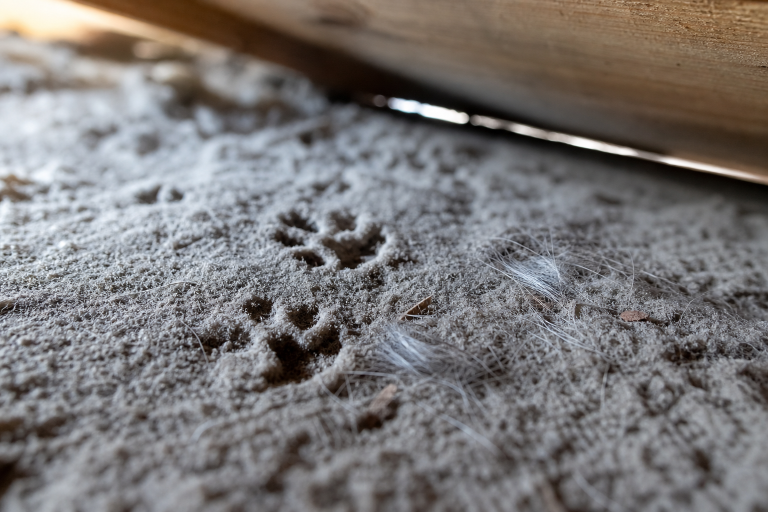
Tracks, hair, feathers, damage patterns, and the time of day can provide useful clues, but they are not always conclusive. Avoid handling droppings, nests, or dead animals. If identification is uncertain, treat the area carefully and avoid assumptions that could lead to sealing in the wrong animal or separating a parent from its young.
Why Sealing a Hole Too Soon Can Backfire
Closing an opening immediately may seem like the fastest solution, but it can trap an adult animal inside or block a mother from returning to dependent young. A trapped animal may chew through siding, drywall, insulation, or wiring while trying to escape. It can also die within the structure, creating odors and requiring more extensive cleanup.
Exclusion works best as a planned process. First, inspect for all possible entry points and determine whether the space is actively occupied. Then use an appropriate exit strategy, confirm that animals have left, and seal openings with durable materials suited to the location. One repaired hole may not solve the issue if nearby vents, roof gaps, or foundation openings remain accessible.
How Humane Removal Usually Works
- Inspect the structure: Look for entry points, nesting areas, fresh damage, and hazards.
- Assess the species and season: Consider animal behavior, local requirements, and whether young may be present.
- Use a suitable removal method: This may involve a guided exit, one-way exclusion device, or monitored capture where appropriate.
- Confirm the space is clear: Check that no adult animals or young remain before permanent repairs begin.
- Seal and monitor: Complete exclusion work and watch for fresh signs of activity afterward.
There is no single removal method appropriate for every animal or building. Relocation rules and permitted practices can vary by species and location, so homeowners should avoid relying on assumptions or using traps without understanding the situation.
Handle Health Concerns and Cleanup Carefully
Wildlife waste, nesting material, bites, scratches, and saliva can create health concerns. Keep children and pets away from contaminated areas, and do not sweep or vacuum dry droppings without taking suitable precautions. Areas with heavy contamination, damaged insulation, or dead animals may require more careful sanitation and disposal practices.
If someone is bitten, scratched, or may have had direct contact with a bat or another potentially rabid animal, wash the affected area promptly with soap and water and contact a healthcare professional. Current CDC guidance for preventing rabies after exposure can help explain why timely medical evaluation matters.
Repair Damage and Reduce Future Visits
After wildlife has left, inspect for torn vent covers, broken screens, roof gaps, damaged soffits, loose chimney caps, chewed wiring, ruined insulation, and compromised garage or crawl-space seals. Photographing damage before repairs can be useful for personal records. Electrical, roofing, chimney, and structural concerns should be evaluated by qualified tradespeople when necessary.
Reduce attractants around the property by securing trash, bringing pet food indoors after feeding, storing bird seed in sealed containers, and removing standing water when practical. Trim branches that give animals easy roof access, and clear brush piles or unused materials near foundations, decks, sheds, and garages.
Complete a Seasonal Wildlife Check
A short inspection in spring, summer, and fall can catch small problems before they become major repairs. Check roof edges, attic vents, chimney caps, crawl-space doors, foundation gaps, garage seals, and window screens. Keep a simple record of inspection dates, photos, and completed repairs so fresh damage is easier to recognize.
When wildlife enters a home, the most effective response combines calm safety measures, humane removal, careful cleanup, durable repairs, and prevention. Acting early can protect the structure while treating the animal responsibly.


